
























What is aptX Lossless?
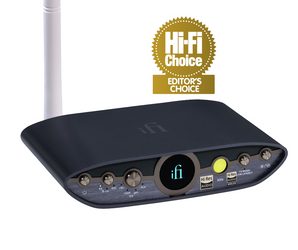
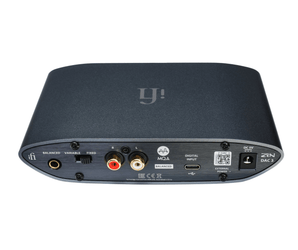
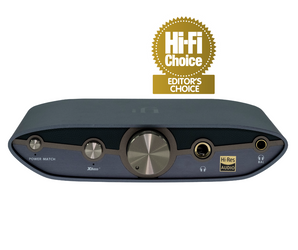
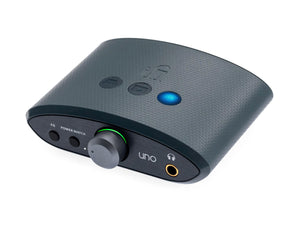
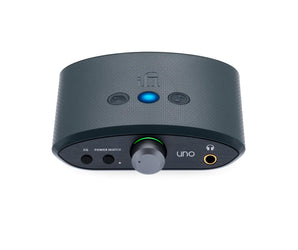
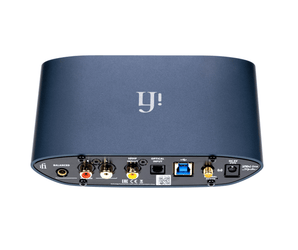
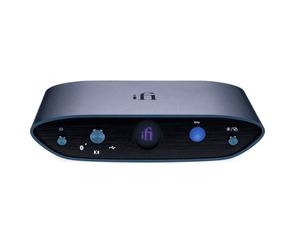
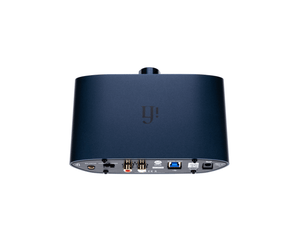
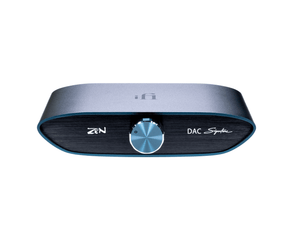
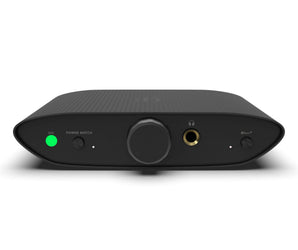
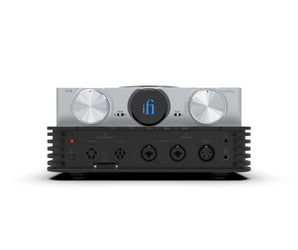
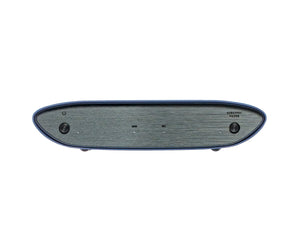
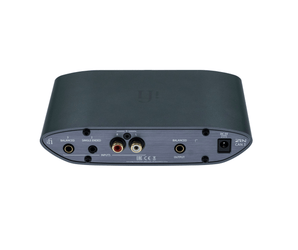
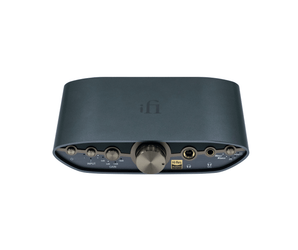
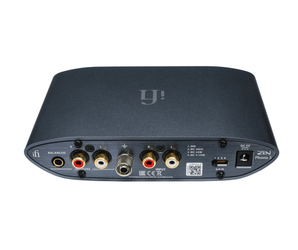
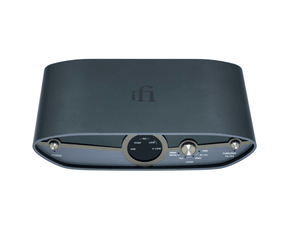
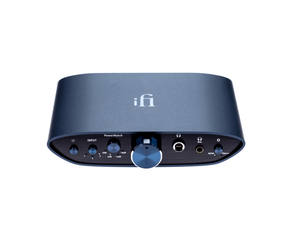
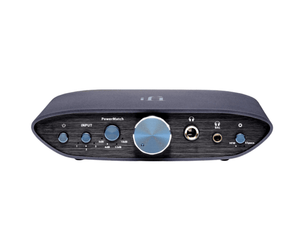
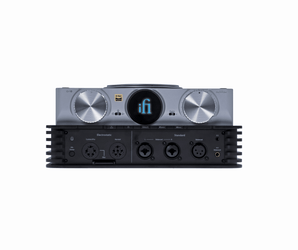
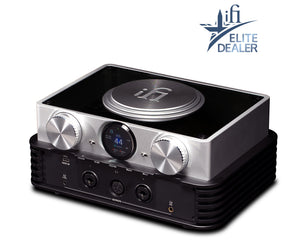
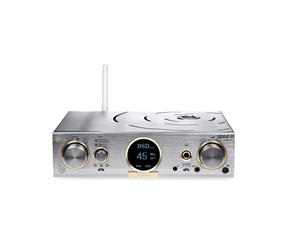
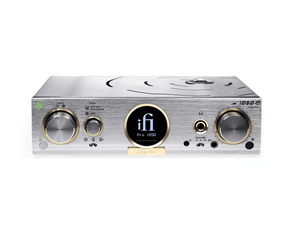
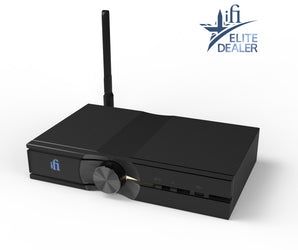
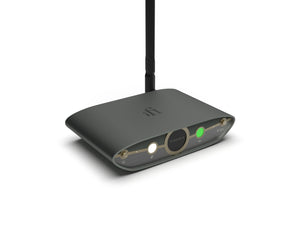
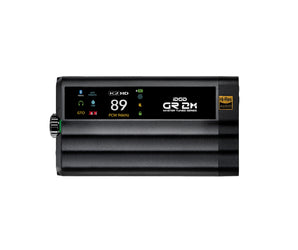
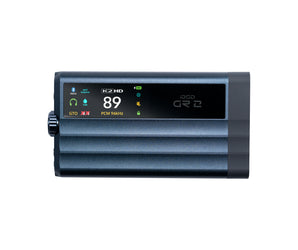
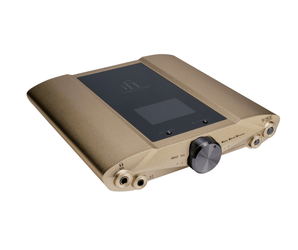
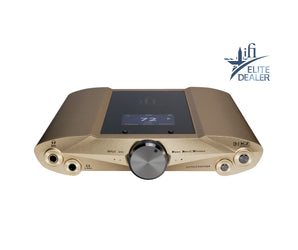
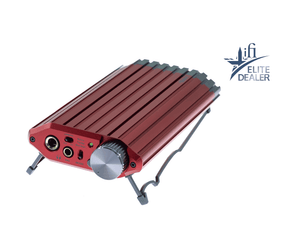
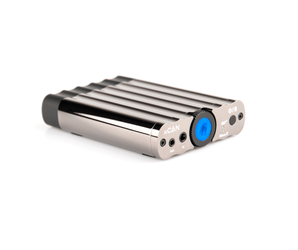
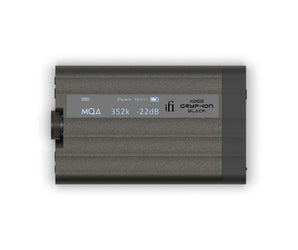
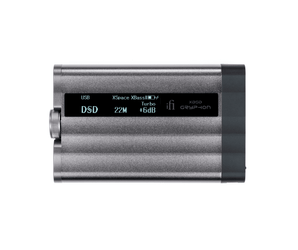
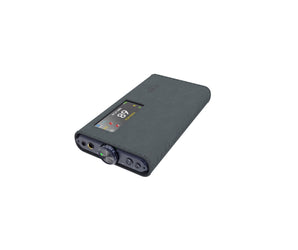
aptX Lossless is a Bluetooth audio technology designed to deliver CD-quality wireless lossless audio when both the transmitting and receiving devices support it and connection conditions allow. It’s typically found in compatible smartphones, streamers, wireless headphones and aptX Lossless DAC products that use Qualcomm’s Snapdragon Sound platform. For us at iFi audio, you’ll find it in many of our latest products with Bluetooth connectivity, such as the iDSD GR 2, UP Play Max, GO pod Max, ZEN Blue 3, ZEN Air Blue 2, and more.
When does aptX Lossless matter in a DAC/amp?
aptX Lossless matters most when Bluetooth is one of your main listening methods and you want the highest-quality compatible wireless path available from your source. As a Bluetooth codec, it’s designed to support high-resolution wireless audio when both the transmitting and receiving devices are compatible and the connection conditions allow it.
If you mainly listen over USB, optical or another wired connection, aptX Lossless Bluetooth may be more of a convenience feature than a core requirement. Nevertheless, if you’re accustomed to the audio quality you experience from a wired connection, having aptX Lossless available to you at the times when you want to listen wirelessly will mean that it doesn’t have to feel like a compromise.
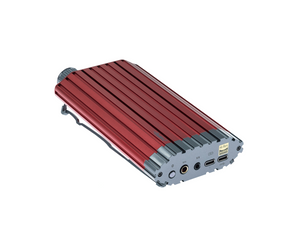
For a portable Bluetooth DAC/amp, aptX Lossless will offer the best wireless listening experience available. It's also important to consider battery life, headphone output, and codec compatibility with your source devices, such as mobile phones, laptops, etc.
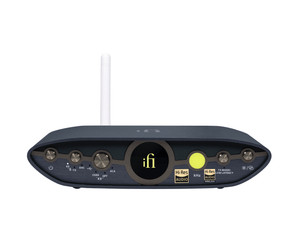
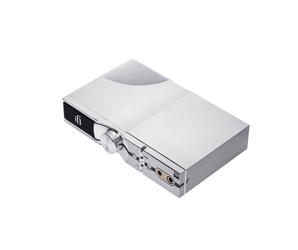
For a desktop Bluetooth DAC, check its analogue or digital outputs and how it will connect to the rest of your system. Many iFi audio products are built around this type of use case. For example, the ZEN Blue 3 can both transmit and receive aptX Lossless, while the NEO iDSD 3 supports aptX Lossless alongside other high-definition Bluetooth formats. These are just a couple of examples of how an aptX Lossless DAC can fit into either a desktop or wider hi-fi system.
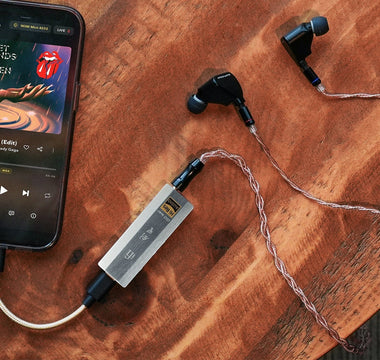
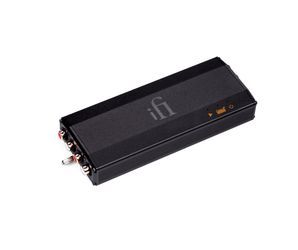
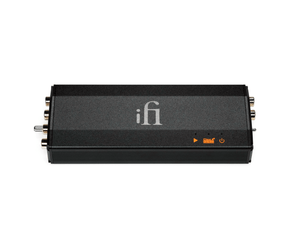
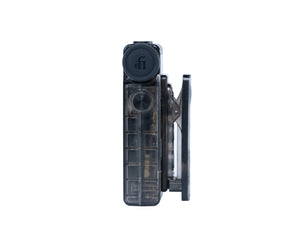
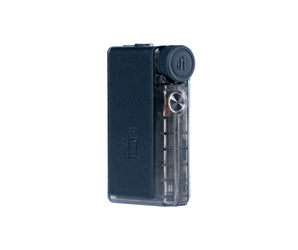
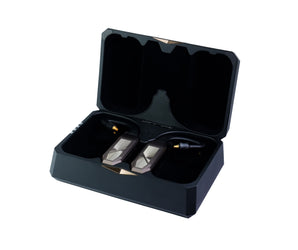
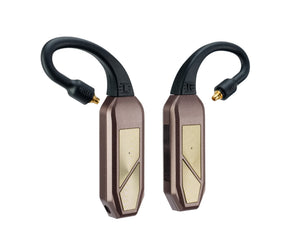
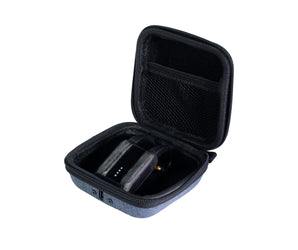
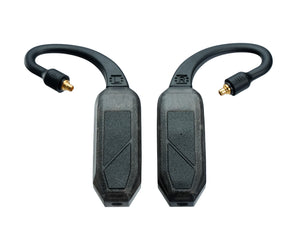
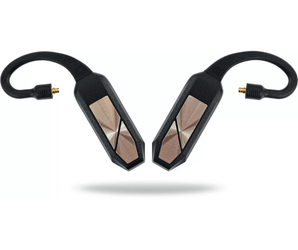
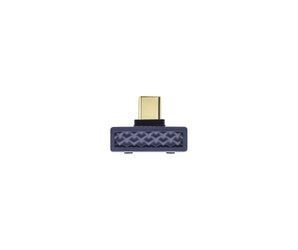
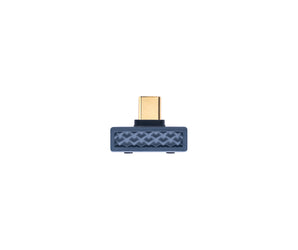
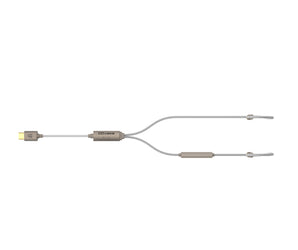
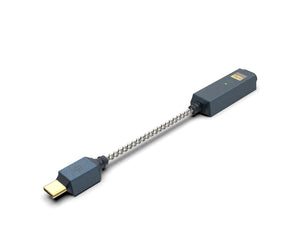
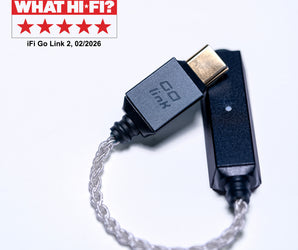
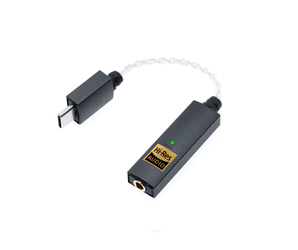
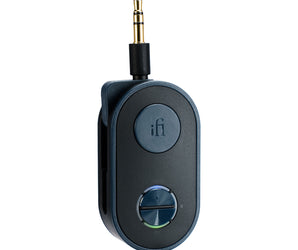
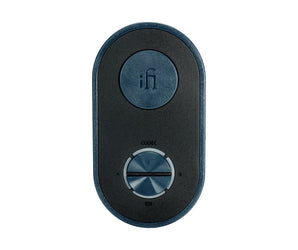
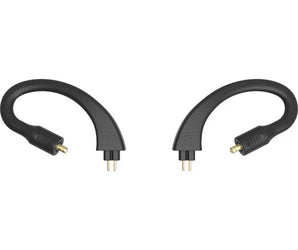
Additionally, the UP Play Max offers a quick, convenient, and ultra-compact way to add aptX Lossless transmission to almost any source device – with the right receiver at the other end, any system can have access to wireless lossless audio.
How do you check whether you are actually using aptX Lossless?
Start with the specifications of both the transmitter and receiver. Don’t assume support simply because a product carries the general aptX name.
For aptX Lossless streaming, both ends of the wireless connection need to support the required technology. aptX Lossless forms part of Qualcomm’s wider Snapdragon Sound platform, so checking for Snapdragon Sound compatibility can also help identify devices designed to support the feature.
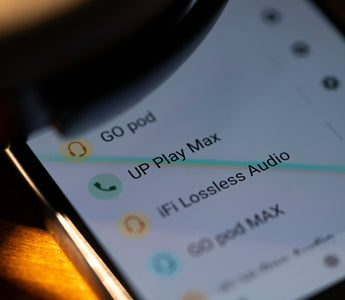
Where the source device provides codec information, check which connection mode is currently active. Some devices and playback apps may show the Bluetooth codec in use, while other devices provide less detail. Additionally, for many iFi audio devices, information about the Bluetooth codec being used can be found on the iFi Nexis mobile app, when a Nexis-compatible Bluetooth device is connected.
It’s also worth remembering that aptX Lossless is adaptive. The system can change how it operates depending on the wireless environment, so the available mode and bitrate can vary with connection quality, interference and distance. So much so, that you’ll often find aptX Lossless incorporated into the aptX Adaptive codec, as is the case on most iFi products. This means you may see LEDs or indicators for aptX Adaptive for a few moments, then a change to aptX Lossless once it’s confirmed that the bitrate is high enough to support lossless Bluetooth streaming.
Should aptX Lossless decide which Bluetooth DAC you buy?
If you have a source device with aptX Lossless, or are adding compatibility with an adapter like the UP Play Max, aptX Lossless should be one of your main considerations, but not the only one. First decide whether you need a portable or desktop Bluetooth DAC, what outputs you need, and what headphones or audio system it will drive. Then compare codec support among the products that already fit your use case, and find an aptX Lossless-compatible option if one is available.
If maintaining wireless and lossless audio is important to you, an aptX Lossless-capable DAC can be worth prioritising. However, codec support should still be considered alongside DAC performance, amplification, connectivity, battery life and the other features that affect how you’ll actually use the product. This ensures your DAC will do everything you need it to, including wireless lossless audio.
Is aptX Lossless worth it?
For anyone who uses Bluetooth as a serious listening source, though, aptX Lossless Bluetooth is a feature you won't want to miss. It brings Bluetooth audio streaming in line with the quality associated with wired digital playback, while keeping the freedom and convenience that make Bluetooth so useful in the first place.
For a wider comparison, you can read our Bluetooth DAC Buying Guide.
FAQs:
Is aptX Lossless really lossless?
Yes, when both devices support it and wireless conditions are suitable, aptX Lossless delivers CD-quality 16-bit/44.1kHz audio without data loss.
Do both devices need to support aptX Lossless?
Yes. The transmitter and receiver both need compatible aptX Lossless support for the connection to use it.
Which iFi DACs support aptX Lossless?
Many iFi Audio products, including the iDSD GR 2, ZEN Blue 3, NEO iDSD 3 and more, support aptX Lossless. Always check the individual product specification for current codec support.